
The Story Behind Sydney’s Oldest Neighbourhood
Ever wondered why Sydney’s oldest neighbourhood is called The Rocks?
At first glance, the answer seems simple. It’s called The Rocks because… well… it’s rocky.
But behind the name lies the story of Australia’s first European settlement, convict-built laneways, sandstone buildings and the foundations of modern Sydney itself.
Today, The Rocks is one of Sydney’s most visited historic precincts, filled with hidden alleyways, heritage buildings, pubs, markets and incredible harbour views. Yet beneath all of that is the sandstone landscape that shaped the area from the very beginning.
Why Is It Called The Rocks?
The Rocks sits on a natural sandstone ridge overlooking Sydney Harbour. The sandstone itself was formed millions of years ago and became one of the colony’s most important natural resources after the arrival of the First Fleet in 1788.
For the early British settlers, the rocky landscape was both a challenge and an opportunity.
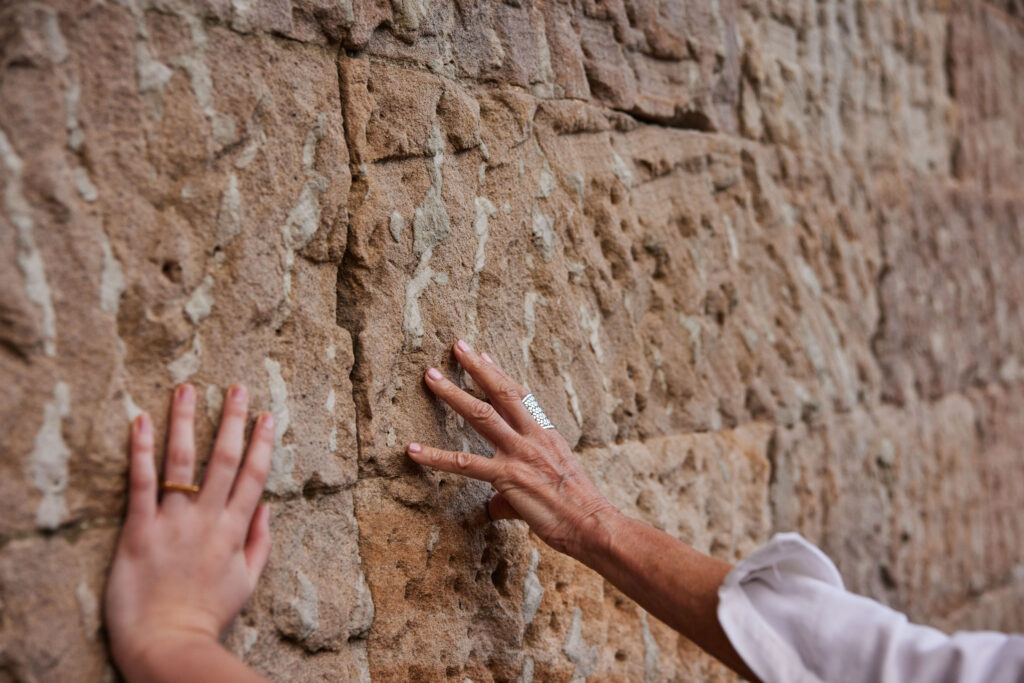
Convicts and labourers cut sandstone blocks directly from the cliffs and hillsides around the area. Those stones were then used to construct homes, warehouses, stores, pubs and government buildings for the growing colony.
In many ways, Sydney was built from the sandstone of The Rocks.
Even today, if you walk through the area carefully, you can still spot the marks left behind by the original stonecutters more than 200 years ago.
The Sandstone Beneath Sydney
The warm golden sandstone gives The Rocks much of its character and charm.
It appears everywhere – in staircases, laneways, walls, cottages and hidden courtyards tucked behind the main streets. Unlike modern developments, The Rocks still feels connected to the landscape it was built upon.
That’s one of the reasons people often say The Rocks feels different from the rest of Sydney.
It’s not just a collection of old buildings. It’s a place where the natural environment and the history of the colony are still physically connected.
The Stories Hidden in the Laneways
Part of the magic of The Rocks is found in its laneways.
As you wander through narrow cobblestoned passages with names like Nurses Walk, Suez Canal, Greenway Lane and Kendall Lane, you quickly realise every corner seems to have a story attached to it.
Some names reflect the industries and workers who once occupied the area. Others hint at colourful local characters, sailors, traders and residents who helped shape the neighbourhood over generations.
These small lanes are reminders that The Rocks was once a busy working-class waterfront community filled with convicts, labourers, merchants, dock workers and migrants arriving from around the world.
Walking Through Sydney’s History
One of the best ways to truly understand The Rocks is on foot.
A walking tour allows you to step away from the busy modern city streets and discover the hidden details many visitors miss – sandstone walls, old cottages, forgotten courtyards and tiny alleyways that still echo with stories from Sydney’s earliest days.
The Rocks is not the sort of place you can fully appreciate from a bus window or while rushing through Circular Quay.
Its history is layered into the streets themselves.
That’s why walking through The Rocks feels less like visiting a tourist attraction and more like stepping into the story of Sydney.
See what a walking tour of The Rocks is really like in why walking through The Rocks feels like stepping into Sydney’s past.
Did You Know?
- The Rocks contains some of Sydney’s oldest surviving buildings.
- Much of the sandstone used to build early Sydney came directly from the area itself.
- The neighbourhood narrowly escaped large-scale demolition during the 1970s.
- Many laneway names in The Rocks reflect industries, workers and local stories from the colonial era.
- The Rocks was once home to convicts, sailors, merchants, dock workers and migrant communities from around the world.
Explore The Rocks for Yourself
Want to discover the stories hidden behind the sandstone walls and laneways of Sydney’s oldest neighbourhood?
Join one of our daily guided walking tours through The Rocks and explore the history, characters and hidden corners that helped shape modern Sydney.